Investment3 June 2026Sherry
Dubai Real Estate Myths Debunked
Dubai’s real estate market has become one of the most talked-about property destinations in the world. From luxury waterfront villas to high-yield investment apartments, the city continues attracting buyers from every corner of the globe. Yet despite its rapid growth and international popularity, many misconceptions about Dubai real estate still exist.

Some people believe foreigners cannot truly own property.
Others assume there are hidden taxes, complicated legal risks, or restrictions on residency and financing. The reality is very different. Dubai’s property market today is highly regulated, increasingly transparent, and designed to attract long-term global investment. Let’s break down some of the most common myths surrounding Dubai real estate and what buyers should actually know in 2026.
Myth 1: Foreigners Cannot Fully Own Property in Dubai
This is one of the biggest misconceptions about Dubai real estate.
The Reality
Foreign nationals can legally purchase and fully own property in designated freehold areas across Dubai.
These ownership rights include:
• Full property ownership
• Rights to sell
• Rights to lease
• Rights to inherit
• Long-term asset ownership
Popular freehold communities include:
• Downtown Dubai
• Dubai Marina
• Palm Jumeirah
• Dubai Hills Estate
• Jumeirah Village Circle
Dubai’s freehold ownership system has been in place for many years and continues to attract strong international investment. For most buyers, ownership rights are very similar to those in major global property markets.
Myth 2: Dubai Real Estate Has Hidden Taxes
Many international buyers assume Dubai has high recurring property taxes similar to:
• London
• New York
• Canada
• Europe
The Reality
Dubai remains one of the world’s most tax-efficient real estate markets.
There is:
• No annual property tax
• No capital gains tax
• No inheritance tax on property
• No tax on rental income for individuals
However, buyers should still understand transaction-related costs.
Common Property Costs Include:
• Dubai Land Department (DLD) fee
• Agency commission
• Mortgage fees (if financed)
• Service charges
The DLD registration fee is typically 4% of the property value
But unlike many mature global markets, Dubai does not impose ongoing yearly property taxes on ownership. This is one of the major reasons Dubai continues to attract international investors.
Myth 3: Dubai Real Estate Is Only for the Ultra-Wealthy
Dubai is globally associated with luxury living, supercars, and ultra-premium real estate. This creates the perception that property ownership is only accessible to millionaires.
The Reality
While Dubai certainly has an extensive luxury market, the city also offers:
• Affordable apartments
• Mid-market communities
• Townhouses
• Entry-level investment opportunities
Areas such as:
• Jumeirah Village Circle
• Dubai South
• Arjan
Offer comparatively accessible entry prices for first-time buyers and investors. Dubai’s property market is diverse and caters to multiple budget levels.
Myth 4: It’s Difficult for Foreigners to Get a Mortgage
Some buyers assume financing in Dubai is only available to UAE nationals.
The Reality
Many banks in Dubai offer mortgages to expatriates and foreign investors.
Mortgage eligibility depends on:
• Income
• Employment status
• Credit profile
• Residency status
• Down payment
Typical financing structures include:
• 20% minimum down payment for expatriates on many properties
• Mortgage terms extending up to 25 years
Both UAE residents and non-residents may qualify for financing depending on the bank and property type. Mortgage accessibility has improved significantly over the years as Dubai’s market has matured.
Myth 5: Buying Property Automatically Gives Citizenship
This is another common misunderstanding among international buyers.
The Reality
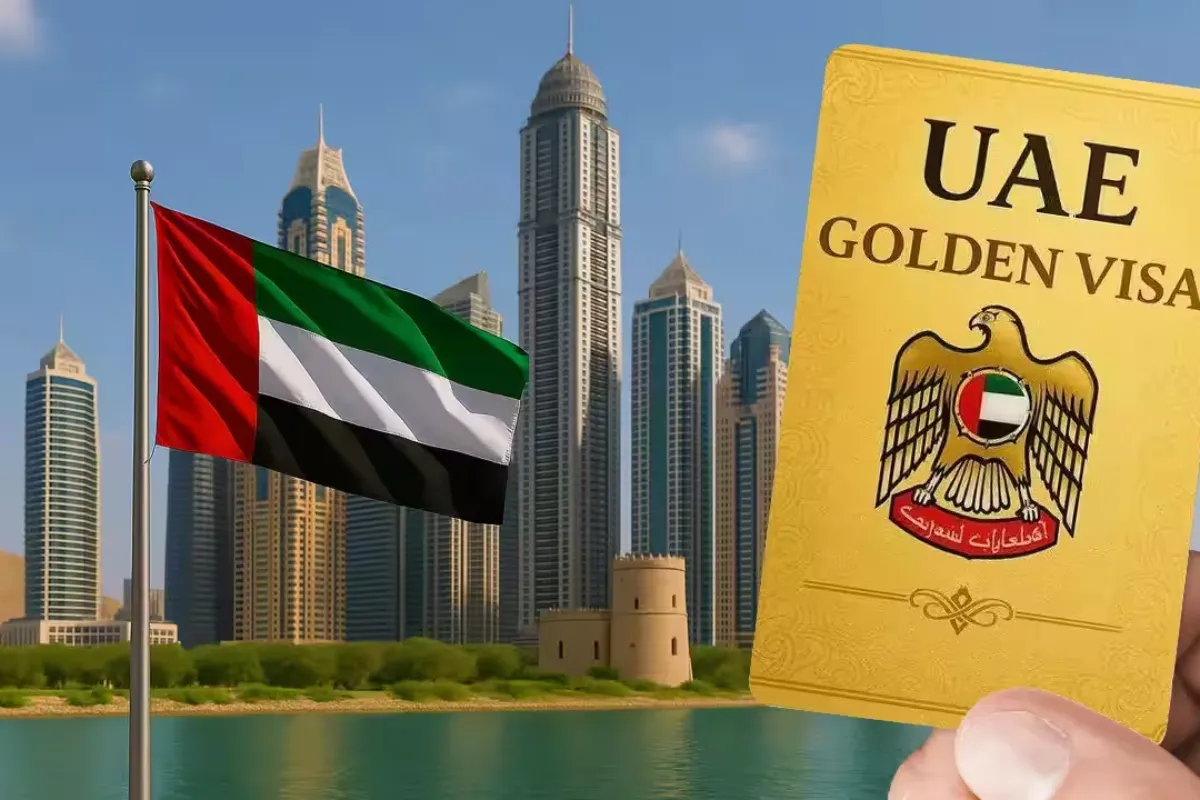
Buying property in Dubai does not grant UAE citizenship. However, qualifying real estate investments may provide:
• Property investor visas
• Long-term residency pathways
• Golden Visa eligibility
The UAE’s residency programs have become one of the strongest drivers of international real estate demand.
Depending on investment value, buyers may qualify for:
• 2-year investor residency visas
• 10-year Golden Visas
This has encouraged many investors and families to relocate long-term.
Myth 6: Dubai’s Real Estate Market Is Unregulated
Some international buyers still associate Dubai’s market with the volatility seen during earlier growth phases.
The Reality
Dubai’s property sector today is highly regulated and significantly more mature.
Government authorities such as:
Dubai Land Department & Real Estate Regulatory Agency have implemented strong investor protections, including:
• Escrow account regulations
• Developer licensing
• Transaction transparency
• Ownership registration systems
• Broker regulation
These reforms have greatly strengthened investor confidence. Dubai’s regulatory framework continues evolving to improve market stability and transparency.
Myth 7: Off-Plan Projects Are Unsafe Investments
Many buyers worry about construction risk when purchasing off-plan properties.
The Reality
Off-plan investments do carry risk but Dubai’s protections have improved dramatically.
Today:
• Developer funds are often tied to escrow systems
• Construction progress is monitored
• Major developers maintain strong delivery track records
Established developers such as:
• Emaar
• Nakheel
• DAMAC
Continue delivering large-scale projects successfully. That said, buyers should still conduct proper due diligence before investing.
Myth 8: Dubai’s Market Is Only Driven by Speculation
Dubai’s earlier real estate cycles created the impression that the market is purely speculative.
The Reality
Dubai’s market today is increasingly driven by:
• End-users
• Family relocation
• Long-term residency
• Wealth migration
• Lifestyle-focused buyers
Demand is now supported by:
• Population growth
• Global business migration
• Golden Visa programs
• International entrepreneurship
• Luxury lifestyle demand
The market has evolved significantly from its earlier speculative image.
Myth 9: Service Charges Make Ownership Too Expensive
Some buyers assume service fees eliminate investment profitability.
The Reality
Service charges vary greatly depending on:
• Building type
• Amenities
• Community positioning
• Luxury level
While ultra-luxury developments may have higher fees, many mid-market communities maintain reasonable annual service costs.
Investors should evaluate:
• Net rental yield
• Community management quality
• Maintenance standards
Rather than focusing only on fee amounts.
Myth 10: Dubai Is Only a Short-Term Investment Market
Historically, some investors viewed Dubai as a place for quick returns rather than long-term ownership.
The Reality
Dubai is increasingly becoming a long-term residential and wealth-preservation destination.
The city now attracts:
• Entrepreneurs
• Global executives
• Family offices
• Long-term residents
• International families
Many buyers are now purchasing property for:
• Lifestyle relocation
• Wealth diversification
• Generational planning
• Long-term residency
This transition is helping create a more mature and stable market environment.
Dubai’s real estate market has evolved dramatically over the past decade.
Many of the myths surrounding:
• Ownership laws
• Taxes
• Financing
• Residency
Market stability is based on outdated perceptions rather than current reality.
Today, Dubai offers one of the world’s most investor-friendly property ecosystems, supported by:
• Strong regulation
• Tax efficiency
• Global connectivity
• Luxury lifestyle appeal
• Long-term residency opportunities
For informed buyers and investors, understanding the facts behind the myths is essential.
Because once the misconceptions are removed, it becomes much easier to understand why Dubai continues to attract global property investors at an extraordinary pace.